

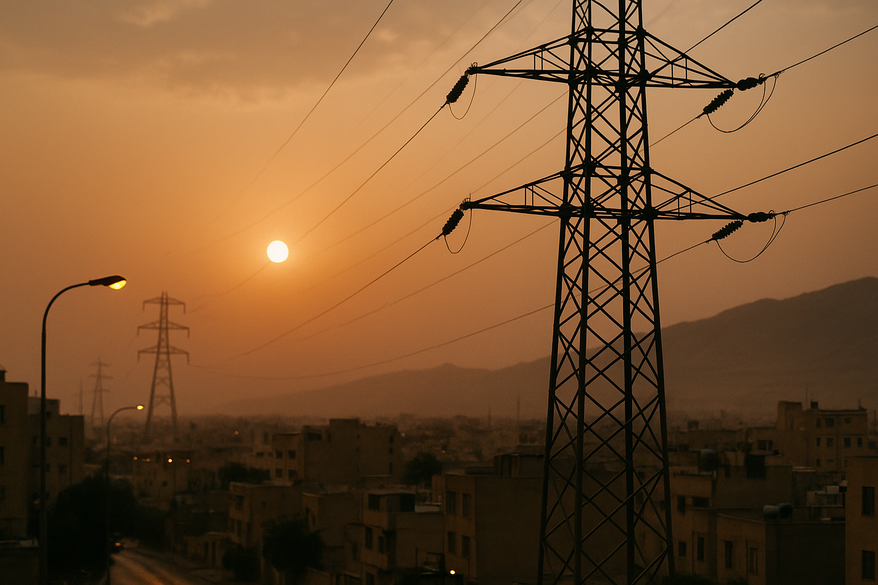
Iran’s summer squeeze: operational risks and strategic responses
As a manufacturer serving upstream and midstream oil and gas, Teknologam Sdn Bhd watches regional energy stress closely. The combination of seasonal demand, infrastructure strain, and geopolitical friction is shifting operational priorities. This piece explains how the Iranian energy situation affects supply chains, technical choices, and strategic planning for firms like ours.
Key Takeaways:
- Iran’s energy landscape is shifting rapidly as peak summer demand strains generation and distribution.
- Technical resilience hinges on grid-flexible assets, maintenance optimization, and rapid-response logistics.
- Expect short-term market volatility and accelerated internal investments in reliability and redundancy.
Summer demand, aging infrastructure, and immediate operational strain
Electricity demand spikes during hot months across the region, driven by cooling loads and higher petrochemical throughput. Many power plants operate at or above design limits, accelerating wear and reducing spare capacity. That raises the risk of rolling blackouts and forces firms to prioritize critical loads.
Operational implications:
- Prioritize critical process areas for backup power.
- Schedule maintenance during lower-demand windows where possible.
- Use condition-based monitoring to target inspections and extend useful life without increasing risk.
Rising temperatures also increase mechanical stress on pipelines and compressor stations. Thermal expansion and elevated fugitive emissions require closer monitoring. We actively review condition-based monitoring data to adjust inspection cycles and spare-parts stocking, and to inform temporary derating or operational limits during extreme heat.
For guidance on how flexibility in power systems helps manage peak stresses, see The role of flexibility in power systems — IEA.
Fuel supply, refining bottlenecks, and logistics impacts
Fuel availability concerns amplify as refineries run at high utilization. Crude balancing between domestic refining and export commitments complicates allocation, and transport routes shift from normal throughput patterns to contingency modes.
We treat logistics as a dynamic risk variable, not a fixed capability. Adjusting shipping schedules and pre-positioning spares reduces downtime exposure.
Practical steps:
- Tighten fuel specification controls at intake points to protect turbines and engines.
- Prepare contingency fuel blends and portable generation plans for distributed assets.
- Where safe and compliant, increase on-site fuel storage to reduce single-point failure risks.
Geopolitical tensions and market ripple effects
The current phase of Iran-related energy stress reflects more than seasonal issues: it’s the interaction of domestic fragility and external pressures. International sanctions, export-routing constraints, and higher insurance costs compound operational stress and can rapidly alter market flows.
Diplomatic shifts now translate faster into market moves, making scenario planning essential. For context on Iran’s oil and gas production trends and how policy influences supply, see the U.S. Energy Information Administration’s country analysis: Iran — EIA Country Analysis.
Heightened military risk and prolonged diplomatic stalemates push traders to price in geopolitical premia. Energy buyers then scramble for short-term alternatives, causing price spikes and supply reallocations that affect global refining margins.
Tactical measures for operators and manufacturers
Adopt layered resilience across immediate, mid-term, and strategic horizons.
Immediate measures:
- Demand-side management and prioritized load-shedding protocols.
- Portable generation and modular backup systems for critical circuits.
- Clear emergency logistics and supplier fallback arrangements.
Mid-term actions:
- Accelerate repair cycles and retrofit assets for heat resilience.
- Expand remote monitoring and predictive maintenance capability.
- Increase inventory of high-failure-rate parts and consumables.
Strategic investments:
- Design equipment with higher temperature tolerances, improved sealing, and simpler field serviceability.
- Build supplier relationships that support surge capacity and alternative routing.
- Institutionalize scenario-based planning that links geopolitical triggers to operational responses.
As a manufacturer, we’re seeing rising demand for ruggedized equipment. Clients request simpler field serviceability and components rated for higher ambient temperatures—design priorities that shape our product roadmap.
Market outlook and company positioning
Short-term volatility will likely persist. Markets may calm if diplomacy or supply flows improve, but firms cannot assume a smooth path. Proactive investments in resilience reduce operational risk and protect margins.
We are expanding service capacity to support accelerated turnarounds and partnering with logistics providers to secure alternative routing under contingency plans. These measures reflect our commitment to clients facing immediate consequences as Iran’s energy stress escalates during peak summer months.
Conclusion: preparedness over prediction
The current Iranian energy strain underscores a broader lesson for energy firms: prepare for systemic shocks, not just component failures. By combining engineering upgrades, supply-chain resilience, and agile operational plans, companies can navigate peak-season stresses and geopolitical uncertainty with greater confidence.
If you would like a briefing on resilience actions tailored to your assets, our team at Teknologam can prepare a risk-aligned checklist and implementation roadmap.