

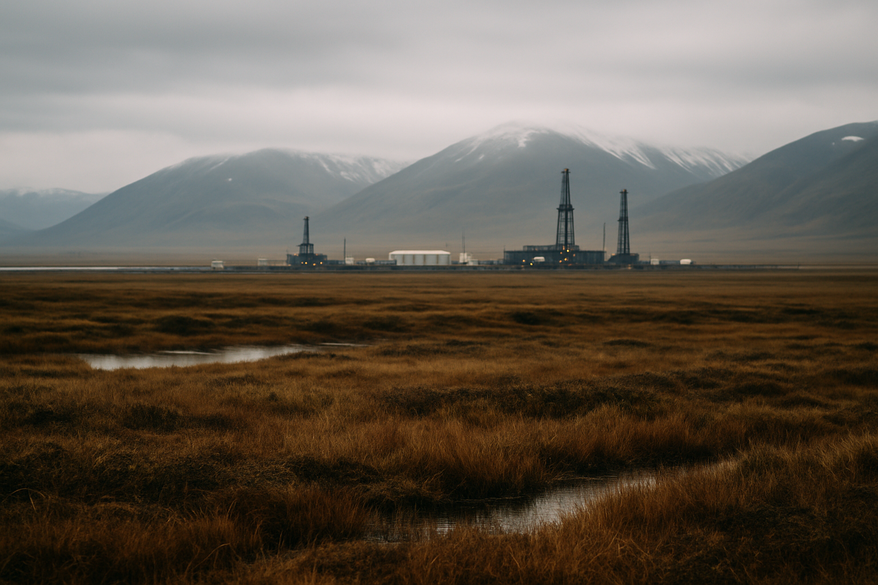
ANWR Auctions and Industry Implications: What Manufacturers Should Watch
Teknologam Sdn Bhd follows developments in Alaskan leasing closely because policy shifts affect equipment demand and project timelines. Recent auctions and political moves have reshaped risk profiles for suppliers across drilling supply chains. We track how auction design, bid outcomes, and permit timelines translate into procurement and manufacturing cycles.
Key Takeaways:
- The Arctic National Wildlife Refuge (ANWR) auction changes acreage control and provides near‑term signals about development intent.
- Equipment and logistics teams must adjust for seasonal constraints and increased Alaska drilling activity.
- Expect variable order timing; maintain flexible capacity and plan for longer lead times.
Policy and Auction Background
Congressional and executive decisions recently reopened lease opportunities in the refuge. The Trump Administration expedited access and altered revenue distributions for oil and gas development, culminating in structured rounds of bidding focused on specific coastal plain tracts.
The Arctic National Wildlife Refuge auction introduced new commercial dynamics. Companies submitted bids calibrated to environmental stipulations and drilling window constraints. Industry watchers noted how political framing influenced valuation models for undeveloped acreage.
For background on the refuge and the statutory context that shapes leasing, see the U.S. Fish & Wildlife Service overview of the Arctic National Wildlife Refuge: U.S. Fish & Wildlife Service: Arctic National Wildlife Refuge overview.
"We interpret auction outcomes as forward signals for capital deployment and supplier demand, not immediate production starts," says our commercial lead.
Auction Mechanics, Bidding, and Market Response
Understanding the Alaska oil auction mechanics helps equipment manufacturers anticipate order types. Lease terms, bond requirements, and phased development clauses shape cash flow and procurement schedules. Bidders balanced short‑term speculative positions with long‑term development plans.
Top considerations for suppliers:
- Bond and bonding timelines that influence contract certainty.
- Seasonal access windows that compress mobilization schedules.
- Environmental mitigation clauses that affect equipment specifications.
Bid winners often delay large capital commitments until permits and pipeline access clear. ANWR bid outcomes therefore signal likely procurement waves rather than instant demand spikes. Project staging and multi‑year drilling plans remain the norm.
Operational and Technical Implications for Manufacturers
Alaska drilling will demand equipment adapted to extreme cold, remote logistics, and enhanced environmental safeguards. We see rising interest in modular, skid‑mounted systems that speed deployment during tight seasons. Suppliers must meet stricter environmental compliance and offer support for extended field campaigns.
Key Insight: Focus R&D on cold‑weather metallurgy, rapid‑assembly foundations, and low‑footprint operations to capture early ANWR‑related contracts.
Manufacturers should also evaluate supply chain redundancy. Remote projects amplify the cost of delays and the value of on‑time delivery. Standardization across rigs and camps reduces integration risk and shortens commissioning windows.
Commercial Strategy and Risk Management
From a commercial perspective, diversify engagements across majors and service companies. Some bidders will hold acreage without immediate drilling, while others commit to multi‑well campaigns. That split creates staggered demand for equipment and aftermarket services.
Recommended actions:
- Monitor permitting milestones and pipeline announcements tied to Alaska drilling projects.
- Maintain flexible production schedules and scalable fabrication capacity.
- Offer extended maintenance packages to strengthen client relationships during multi‑season campaigns.
The Trump Administration ANWR policy legacy continues to affect investor sentiment and regulatory expectations. Firms should price contracts with contingencies for litigation delays and changing environmental requirements.
Outlook for Project Timelines and Internal Actions
Expect the first production phases to trail auctions by several years; pre‑construction engineering, environmental studies, and winterized infrastructure will drive lead times. For analysts and planners, refer to the U.S. Energy Information Administration’s assessment of ANWR timing and resource considerations for context on likely production horizons and assumptions: U.S. Energy Information Administration: ANWR oil production timelines and estimates.
For suppliers, timing forecasts should assume phased mobilizations and recurring seasonal peaks. We will prioritize component modularity, inventory buffers, and accelerated testing for cold‑climate performance. Close engagement with operators and service contractors will help align fabrication schedules with evolving Arctic drilling plans.
"Our operational readiness depends on anticipating policy shifts while delivering reliable, field‑ready systems," notes our head of operations.
Conclusion
The Arctic National Wildlife Refuge auction and related Alaska oil auction activity create measured opportunities for specialized manufacturers. By aligning product design with Alaska drilling realities and watching permit milestones, suppliers can convert bid signals into resilient project wins. Teknologam remains ready to support clients pursuing responsible development in challenging Arctic environments.