

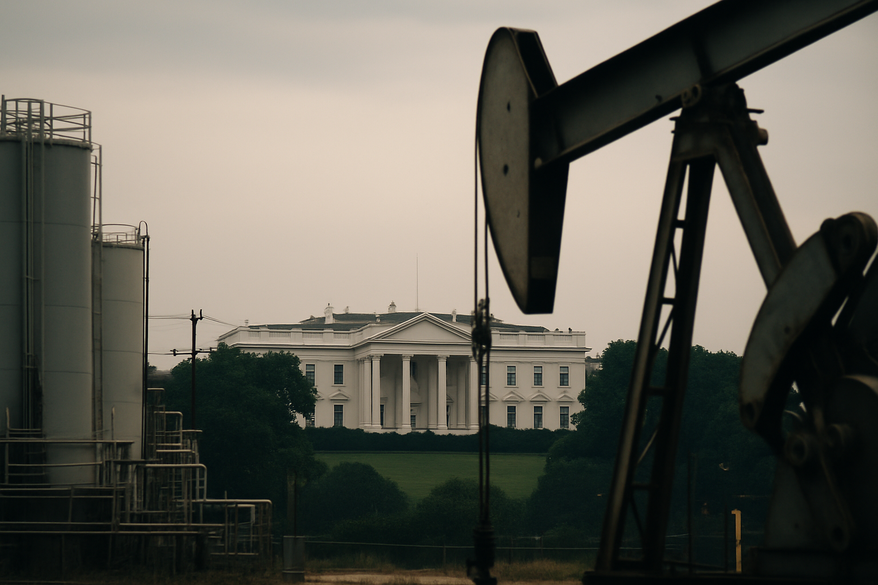
Political pressure, market limits, and what manufacturers can do
At Teknologam Sdn Bhd we watch closely as policy, markets, and engineering intersect. Recent headlines put oil producers under intense political scrutiny while supply realities constrain rapid responses. This piece unpacks the outreach from Washington, the technical limits operators face, and pragmatic steps our industry can take.
Key takeaways:
- Policymakers increasingly pressure producers to raise output amid voter concerns and price surges.
- Technical constraints, investment cycles, and downstream logistics limit how fast supply can rise.
- Manufacturers like Teknologam can help by optimizing uptime, accelerating retrofit projects, and advising on targeted capacity increases.
What triggered the outreach from Washington
Media coverage framed the pressure bluntly, with headlines such as "White House calls oil CEOs as energy prices squeeze voters." Policymakers often lean on public appeals when prices bite consumer wallets; those appeals are intended to influence near‑term behavior without the delays of formal regulation.
- Short-term political pressure can move markets through expectations.
- Physical production responds to wells and rigs, not headlines.
"We treat public outreach as an operational risk," says a company operations lead. "It changes the conversation but not the physics of production."
Put simply: public statements can shift sentiment quickly, but they do not instantly change the equipment, crews, or pipelines that move hydrocarbons from wellhead to pump.
The White House message and its limits
Some reports summarized the outreach as "White House message to oil CEOs: pump more oil." That shorthand captures the political ask, but not the technical reality. Producers need rig crews, spare parts, and stable product routes to increase rates. Restarting idled capacity can take weeks or months.
In parallel, opinion pieces compared policy choices and market outcomes across administrations, arguing that political context matters. Those comparisons are useful, but operational timelines — crew availability, commission cycles, and logistics — remain largely the same regardless of the message.
Why drilling more is not an instant fix
Operators face constraints across the entire value chain. Wells decline naturally; new drilling requires crews, capital, and permits. Midstream bottlenecks and refinery turnarounds limit how increased crude translates to retail fuel. Even when companies can nominate more barrels, the physical flows may lag.
Key insight: Short-term price relief usually requires coordinated supply and logistics fixes, not only volume announcements. For a concise explanation of the physical and market factors that prevent an immediate supply response, see the EIA’s overview of what drives oil prices and supply dynamics: EIA: Why oil prices fluctuate and what affects supply response.
Headlines, statements, and public narratives
News snippets such as "Treasury Secretary told reporters that…" or "When will gas prices come down? Top officials say…" reflect media demand for accessible frames. Pithy headlines influence investor sentiment and can accelerate or dampen market reactions.
- Public statements affect sentiment and trading.
- Physical supply still governs final price outcomes.
Expect headlines to continue to shape short-term volatility; expect operations to dictate multi‑week and multi‑month delivery.
Practical steps for industry and suppliers
Producers and suppliers should prioritize actions that genuinely speed supply delivery. Teknologam recommends:
- Audit critical-path equipment to reduce unplanned downtime. Focus inspections and spares on components with the highest failure risk.
- Fast-track retrofit and maintenance projects with targeted supply agreements. Use short, prioritized contracts to secure long‑lead items.
- Coordinate with midstream partners to align nominations and scheduling. Transparent nomination practices shave days or weeks from delivery timelines.
"We focus on reliability gains that translate to earlier barrels," notes a lead engineer. "That creates real options for operators under pressure."
These are practical, measurable steps that manufacturers can lead or support to convert political pressure into tangible increases in delivered product.
Outlook for prices and industry posture
Political appeals will continue during price spikes, and markets will remain sensitive to statements as well as fundamentals. Expect volatility until capacity expansions, refinery cycles, and inventories realign. Our role as a manufacturer is to reduce operational friction, shorten project timelines, and advise clients on realistic ramp schedules.
If policymakers want faster relief, they must pair public pressure with incentives and infrastructure support. International organizations and energy authorities emphasize the role of policy and infrastructure in stabilizing supply and enhancing energy security; see the IEA’s work on energy security and the policy measures that support reliable supply: IEA: Energy security — the role of policy and infrastructure. Teknologam stands ready to support targeted upgrades that deliver measurable supply improvements within weeks and months, not days.