

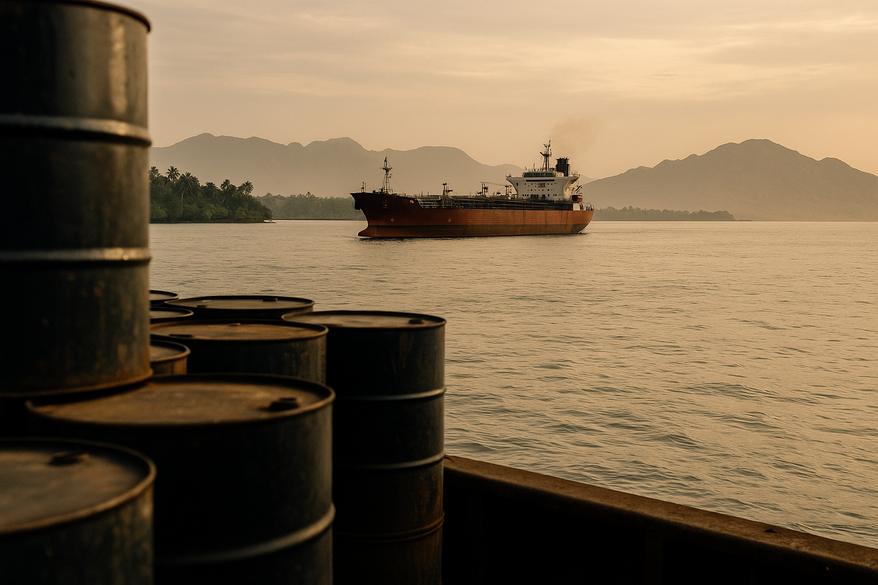
The ongoing tensions in the Gulf have real implications for Malaysia’s energy supplies and our sector’s logistics. At Teknologam Sdn Bhd we monitor maritime chokepoints and adjust manufacturing and stock planning proactively. This piece explains how disruptions around the Strait of Hormuz ripple through petrochemical, fertilizer, and food supply chains, and outlines practical responses for manufacturers, traders, and portfolio managers.
Key Takeaways:
- An Iran–Hormuz disruption would test Malaysia's supply chains and logistics resilience.
- Short-term oil shocks can cascade into petrochemical and fertilizer shortages.
- Companies should diversify routes, increase strategic stock, and stress-test operations.
Why the Strait of Hormuz matters now
The strait carries roughly a fifth of global crude oil and LNG by tanker. Any sustained closure or credible threat raises insurance costs, rerouting times, and freight rates. Analysts warn that an Iran-related conflict or prolonged blockade could trigger major oil supply shocks and elevated volatility in global energy markets (International Energy Agency).
“Our priority is keeping clients supplied while adapting lead times and maintenance cycles,” says Teknologam operations leadership.
Shipping delays translate quickly into production slowdowns for downstream plants. Many refineries and petrochemical complexes operate with tight feedstock inventories. A sudden reduction in crude flows forces immediate ramp-downs or costly feedstock switches, increasing production costs and creating product scarcity.
Direct logistics impacts on Malaysia
Malaysia sources crude, naphtha, and finished petrochemicals from diverse origins, but Hormuz disruptions pressure regional freight corridors and Asian refinery margins. We observe three immediate effects: higher freight and charter rates, longer voyage times, and tightened product availability.
- Increased bunker fuel and insurance premiums push delivered costs higher.
- Rerouted voyages add days or weeks, undermining just-in-time supply models.
- Regional buyers compete for limited cargoes, widening local price spreads.
Key Insight: Firms with flexible off-take contracts and access to alternative ports gain short-term advantage.
Sector-specific consequences: petrochemicals, fertilizers, and food
The Hormuz crisis highlights the interconnectedness of energy and agricultural supply chains. Naphtha and LPG price spikes reduce margins for olefins production, constraining polymer and fertilizer manufacture. Reduced availability of ammonia or urea can increase input costs for farmers and risk crop yields, putting upward pressure on food prices (FAO on fertilizers and food security).
Producers that rely on imported ammonia or urea face longer lead times. Merchant traders will hunt for cargoes from alternative basins, but reallocation takes weeks. End users, such as agricultural cooperatives, may have to accept higher-cost or lower-quality alternatives in the short term.
Malaysia’s financial and energy positioning
Malaysia can emerge as a regional energy and stock haven when investors view the country as a stable logistics and financial hub. Its diversified supplier base, relative political stability, and resilient ports make it an attractive location for storage and trading.
We observe increased inflows into energy equities and selective commodity funds during Gulf disruptions. Local refineries that can process alternative crudes can capture arbitrage opportunities. Expanded domestic storage and strategic reserves also strengthen national energy security.
Practical steps for manufacturers and supply-chain managers
- Map critical dependencies for feedstocks and spares.
- Increase targeted buffer stocks where inventory cost is lower than outage risk.
- Qualify secondary suppliers and document rapid switch-over procedures.
“We run weekly scenario exercises that simulate route closures and supply shocks,” a Teknologam supply-chain manager notes.
Technical measures include modularizing production runs to tolerate feedstock substitutions. Financial measures include hedging fuel and feedstock exposures and contracting longer-term vessels to lock shipping rates. Operationally, staggered maintenance schedules can preserve throughput during acute shocks.
Implications for traders and policymakers
Traders should price in volatility premia and model transit-time risk. Policymakers must prioritize port resilience, expedited customs procedures, and incentives for storage capacity. Regional coordination on emergency fuel sharing and fertilizer distribution reduces systemic risk.
Key Insight: Transparent, rapid communication between ports, refiners, and regulators mitigates panic-driven market moves.
Preparing for prolonged disruptions
If Iran’s continued blockade of the Strait of Hormuz results in long-term constraints, markets will adapt — but at social and economic cost. Longer-term shifts may include greater investment in pipeline networks, expanded strategic petroleum reserves, and reconfiguration of petrochemical feedstock sources away from choke-point dependence.
- Invest in alternative logistics corridors, including transshipment hubs.
- Expand local converting capacity that tolerates diverse feedstocks.
- Foster public–private frameworks for national stock releases during crises.
Conclusion
The Strait of Hormuz crisis underscores how geopolitical flashpoints reach local factories, farms, and capital markets. At Teknologam, we prioritize resilience through diversified sourcing, inventory discipline, and contingency planning. Stakeholders who act now — investing in operational flexibility and regional cooperation — will be best prepared for the next supply shock.