

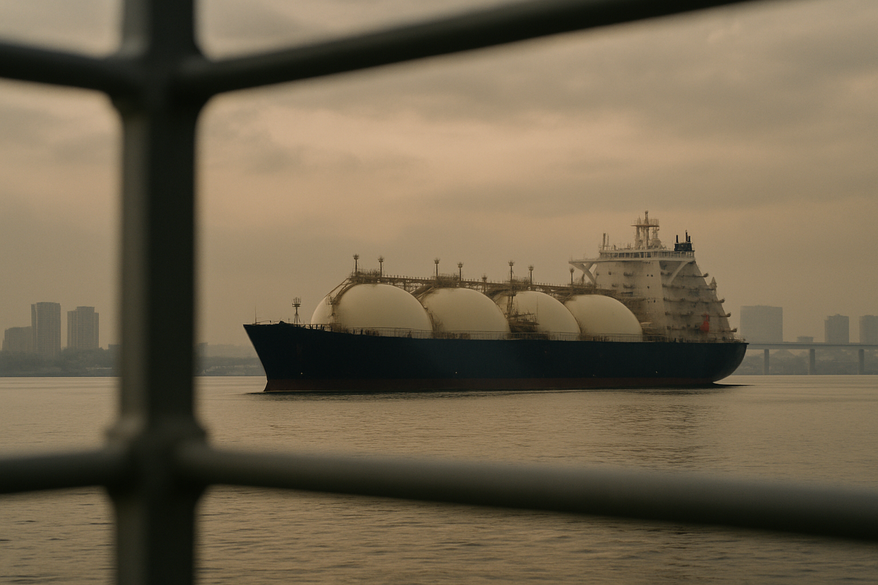
Europe’s evolving stance on Russian LNG: sanctions, shipping loopholes, and operational impacts
As a manufacturer serving the oil and gas sector, Teknologam Sdn Bhd tracks policy shifts that affect global LNG flows and equipment demand. Recent moves by European policymakers and industry reports are reshaping routes, tanker services, and project timelines. This article synthesizes those developments and outlines practical implications for suppliers, shipowners, and operators.
Key takeaways
- Europe’s policy momentum can materially reroute or restrict Russian LNG volumes to global markets.
- Shipping rules and sanctions create complex operational and compliance demands for tankers and terminals.
- Suppliers and contractors should prepare for demand volatility and stricter due diligence on origin and ownership.
Recent headlines and what they mean for flows
European reporting has highlighted multiple stress points in the LNG trade. Headlines suggesting that major companies could halt Russian LNG exports and reporting of actual export declines reflect both potential corporate responses to tightened sanctions and real movement in volumes and pricing.
What this implies
- Declining export volumes shift cargo availability and can tighten short-term global spot markets.
- Contracted flows face renegotiation risk if sanctions target operational elements or services.
Our view: reduced Russian flows accelerate investment in alternative LNG suppliers but also raise short-term supply-security questions in Europe and Asia.
Shipping, sanctions, and the logistics gap
Sanctions increasingly target not just cargo but the maritime services that move it. Analysts have flagged shipping “loopholes” that allow some shipments to continue through opaque ownership structures and service provisions. Regulators have proposed measures to close those gaps and restrict services that enable sanctioned flows.
Key insight: Shipping-service restrictions shift compliance burdens onto charterers, insurers, and port service providers.
Operational impacts
- Shippers must verify vessel beneficial ownership, crew nationality, and insurance chains, increasing pre-voyage checks.
- These verifications lengthen voyage lead times and raise freight and administrative costs.
- Terminal operators must demonstrate non-involvement with sanctioned entities, complicating contracting and operations.
For background on current EU sanctions measures and the energy-related policy framework, see the European Council’s summary of EU measures relating to energy and Russia.
Arctic routes and seasonal dynamics
Traffic via the Northern Sea Route is sensitive to both sanctions and weather. Reduced trans-Arctic voyages — which once offered shorter voyages from Russian Arctic projects to Asia — lengthen journey times when bypassing the route.
Consequences for logistics and operations
- Reduced Arctic transits increase voyage miles, raising voyage costs and emissions.
- Longer voyages alter port call patterns, affecting demand for bunkering, repairs, and shore services.
- Extended run times increase utilization of cryogenic systems and require adjustments to LNG carrier and floating-equipment maintenance cycles.
Policy drivers: RepowerEU and the phase-out agenda
European policy remains a core driver. Frameworks that accelerate the phase-out of Russian energy supplies are pushing Europe toward diversification — renewables and alternative LNG suppliers — and encouraging retrofits and decommissioning work for assets linked to Russian supply chains.
For an authoritative overview of the EU’s strategy to reduce dependence on Russian fossil fuels, see the European Commission’s REPowerEU energy security and diversification plan.
We anticipate accelerated procurement of compliance and monitoring technologies by terminals and shipowners as part of this policy push.
Practical implications for suppliers and contractors
The evolving landscape creates both risks and opportunities for manufacturers and service providers. Demand will grow for retrofit kits, monitoring hardware, and compliance software, while project pipelines may stall if buyers suspend contracts.
Key insight: Firms must strengthen counterparty screening, export-control compliance, and traceability in their supply chains.
Actionable steps
- Update KYC and supply-chain audits to include beneficial-ownership and sanctions-screening checks.
- Design modular equipment that can be repurposed if a project becomes sanctioned or canceled.
- Offer remote commissioning and diagnostics to reduce on-site presence in high-risk jurisdictions.
- Build contractual clauses that address sanction-triggered suspension, force majeure, and remediation responsibilities.
- Train commercial and technical teams on export controls and sanctions red flags.
Looking ahead — scenarios and readiness
If European measures escalate, the market could see contractions and price effects similar to recent dips in Russian exports. Conversely, effective regulatory closure of shipping loopholes would accelerate re-routing and strengthen demand for non-Russian LNG.
Scenarios
- Scenario A: Rapid decoupling leads to higher short-term spot prices and capital flows to alternative projects.
- Scenario B: Legal and shipping workarounds prolong flows but increase compliance costs across the value chain.
For Teknologam and peers, the prudent path is resiliency: build flexible product lines, double down on compliance capabilities, and engage customers on contingency planning.
Conclusion
The intersection of sanctions, shipping rules, and policy pushes such as REPowerEU is reshaping LNG logistics. Measures aimed at closing shipping and service loopholes increase the compliance burden on charterers, insurers, and terminals, while shifts in routes — including fewer Northern Sea Route transits — change operational profiles and maintenance needs. Suppliers should act now to manage risk and capture demand from rapid market adjustments.
If you’d like, Teknologam can outline specific equipment adaptations and compliance checklists tailored to your project scope.