

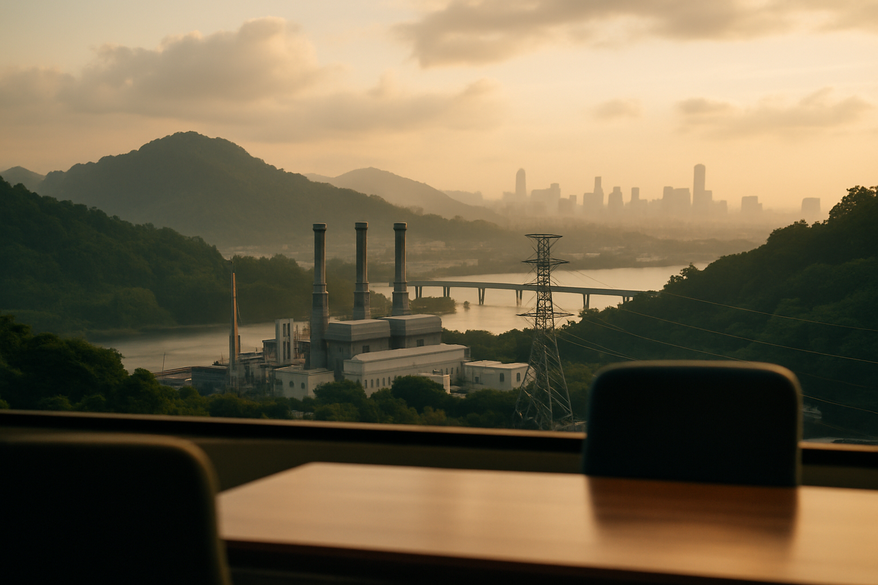
Anwar’s Diplomacy, Stability and Malaysia’s Energy Security
Malaysia’s recent public messaging on political stability and energy security is reassuring markets and industry partners. At Teknologam Sdn Bhd we follow these developments closely because our work supplying components to liquefied natural gas projects and upstream platforms depends on secure supply chains and predictable policy. The prime minister’s emphasis on diplomacy and steady governance aligns with our operational priorities and matters for investors, contractors, and engineers across Malaysia’s oil and gas value chain.
Key Takeaways:
- Malaysia’s diplomatic posture is shaping perceptions of supply reliability.
- Continued domestic political stability supports long-term project planning and capital spending.
- Teknologam expects steadier procurement timelines and sustained demand for EPC and maintenance services.
Diplomacy, Stability and Market Confidence
Prime Minister Anwar Ibrahim has framed external engagement as central to energy and trade resilience. Media coverage has reflected this message, using headlines that emphasize strong diplomacy and stability to bolster confidence in Malaysia as a reliable supplier. That narrative is designed to reassure foreign partners and markets as global energy dynamics shift.
We monitor policy and diplomatic signals because they directly affect project timelines, export contracts, and vendor confidence. Political steadiness reduces the risk premium on long-term contracting: investors value predictability in permitting, taxation, and infrastructure access. Strong international ties also enhance Malaysia’s negotiating position for offtake agreements and transit arrangements, which supports supply-chain continuity and reduces interruption risks. For broader context on how diplomacy and policy affect national energy resilience, see the IEA’s work on energy security and resilience: IEA — Energy security overview.
"We monitor policy and diplomatic signals because they directly affect project timelines, export contracts, and vendor confidence," says our operations director.
Energy Production: LNG and Domestic Supply
Anwar has explicitly linked Malaysia’s export capacity to broader economic strategy, often highlighting LNG as a strategic export. This emphasis signals continued demand for cryogenic equipment, subsea components, and modular fabrication across the oil and gas manufacturing sector. Malaysia’s existing liquefaction plants and export infrastructure underpin that message and remain central to export revenue and employment; for details on Malaysia’s LNG facilities and export operations, see Malaysia LNG’s corporate information: Malaysia LNG (MLNG) — company overview.
- Domestic reserves, while maturing, remain commercially viable with enhanced recovery techniques.
- LNG export projects continue to anchor long-term revenue and employment.
- Technology upgrades and local content commitments create contracting opportunities for suppliers.
Government Assurances and Market Reaction
The administration has communicated that supplies will remain stable despite global turbulence, issuing statements intended to calm spot-market concerns. Those assurances matter to buyers and shipping partners arranging cargoes months ahead.
Market participants often respond to such signals by recalibrating delivery schedules and tender timelines. Contractors may accelerate maintenance windows and brownfield upgrades when perceived political risk falls. At Teknologam, procurement teams have adjusted lead times for imported steel and valves to align with expected project flows, reducing the need for costly expedited shipments.
Implications for the Supply Chain and Teknologam
Diplomacy and policy continuity support predictable contracting cycles. When risk perception drops, buyers are likelier to commit to longer scopes and phased brownfield projects, which reduces expedite premiums and inventory carrying costs for manufacturers. We anticipate steadier capital allocation from national and international oil companies, which improves shop-floor utilization planning and workforce training schedules.
Key partnerships with international firms—backed by strong government ties—can open technology transfer and co-manufacturing opportunities. These developments favor local vendors that can meet international certification and quality standards.
"When buyers perceive lower risk, they commit to longer scopes and phased brownfield works," notes our commercial manager.
Key Insight: Clear, consistent government messaging on political stability and energy security shortens decision timelines and strengthens local supplier participation.
Looking Ahead: Risks and Opportunities
Malaysia’s public assurance that energy supplies remain secure aims to position the country as a stable node in regional energy flows. That creates business opportunities, but risks remain: price volatility, geopolitics, and execution delays on major projects can still disrupt timelines.
Actions companies should take now:
- Stress-test schedules and budgets against commodity and geopolitical shocks.
- Diversify suppliers for critical components to reduce single-source risk.
- Strengthen engagement with government liaison offices to stay abreast of policy shifts.
For Teknologam, near-term priorities are capacity flexibility, certification upgrades, and stronger logistics partnerships. We will continue investing in quality systems that meet international project specifications and support Malaysia’s role as a reliable energy producer.
Concluding thought: sustained diplomacy paired with political stability creates a favorable backdrop for the oil and gas manufacturing sector. When government signals align with industry readiness, equipment suppliers and contractors can better plan, bid, and deliver on the projects that underpin national energy security.