

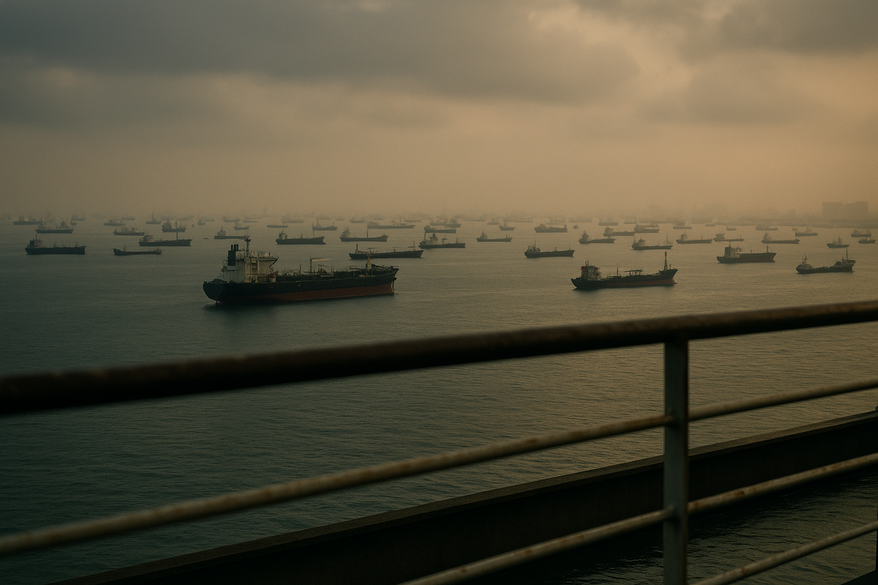
Strategic implications of shipping congestion in the Gulf for oil and gas operators
Teknologam Sdn Bhd monitors maritime risks that affect oil and gas logistics and asset deployment. The latest reporting on vessel congestion in the Gulf requires careful operational reassessment. Our teams are reviewing supply-chain resilience, crewing exposures, and equipment staging near transit chokepoints. This article summarises the situation, technical impacts, and practical steps for industry stakeholders.
Key takeaways:
- Rapidly evolving risk: concentrated vessel backups near the Strait of Hormuz increase transit delays and security exposure.
- Technical focus: anchorage capacity, fuel logistics, and hull maintenance cycles will drive short-term service demand.
- Internal action: prioritise contingency procurement, crew welfare, and remote monitoring for idle assets.
What the reporting says and why it matters
Global media and maritime agencies have reported unprecedented congestion in the Gulf. Some outlets cite figures of roughly 1,500 vessels experiencing delays or rerouting pressure tied to regional tensions. That coverage has sharpened attention on crew safety and freedom of navigation. UN and maritime briefings have emphasised long anchorage times and rerouting impacts on commercial schedules.
The scale matters for oil and gas firms that rely on predictable tanker and supply-vessel schedules. Delays propagate through storage planning, refinery feedstock timing, and offshore project timelines — increasing costs and operational complexity.
"We must treat prolonged anchorage and crew welfare as operational risks," says a Teknologam operations lead, underscoring supplier continuity planning.
Operational and technical impacts on offshore operations
Vessel idling increases mooring wear, corrosion risk, and auxiliary fuel consumption. Idle tankers and bunkering vessels force adjustments to maintenance windows and dry-dock schedules. Extended crew rotations and reduced shore leave raise safety and compliance concerns that need proactive management.
Key operational impacts:
- Increased anchorage maintenance and inspection requirements.
- Higher short-term demand for emergency towage and pilot services.
- Elevated needs for spare parts, pumps, and sealing systems.
- Changes to planned maintenance and dry-dock cycles.
The human-cost element is significant: reporting has estimated tens of thousands of seafarers affected by extended delays. Operators should align crew-change protocols with international guidance on seafarer welfare and rights to ensure legal and humanitarian obligations are met. See the International Maritime Organization’s seafarer resources for guidance on crew welfare and related practices: IMO – Seafarers and the human element.
Commercial and supply-chain consequences
Widespread congestion magnifies demurrage exposure and pushes freight rates higher. Cargo owners and charterers will likely seek alternative routings or faster insurance-driven solutions, shifting volumes and costs across the market.
Downstream consequences:
- Tighter refinery margins where feedstock timing is disrupted.
- Accelerated orders for mooring gear, valves, and emergency pumps from equipment suppliers.
- Longer lead times for specialised parts as demand spikes.
Key insight: prioritise modular, quick-deploy equipment and flexible logistics contracts to reduce exposure to transit-chokepoint disruptions.
Security and route alternatives
Navigational choices are constrained by the geopolitics around the Strait of Hormuz. Some shippers are rerouting around the Cape of Good Hope, which lengthens voyages and increases fuel, carbon costs, and vessel days. Such alternatives change fleet utilisation and place additional pressure on global shipping lanes.
Route-planning should be informed by industry analysis of chokepoints and global maritime flows so operators can weigh transit-time penalties against security risks. For broader context on maritime chokepoints and transport routes, see the UN Conference on Trade and Development’s maritime transport resources: UNCTAD – Maritime transport and chokepoints.
Mitigations during longer transits include enhanced shipboard surveillance, hardened communications, and updated voyage risk assessments.
What Teknologam recommends to clients and partners
Immediate and medium-term resilience measures:
- Review and revise bunker scheduling and contingency fuel reserves.
- Audit anchor and mooring spare inventories for increased wear scenarios.
- Update crew-welfare, medical evacuation, and crew-change contingency plans.
- Maintain clear documentation for demurrage and force majeure triggers.
- Coordinate with insurers and P&I clubs to confirm cover for extended anchorage and rerouting.
- Prioritise modular rapid-response kits for mooring and pumping systems.
Operational teams should run scenario drills for extended transit times and crew-change interruptions. Procurement should identify alternative suppliers closer to likely alternative routes.
Information sources and context
Regional outlets have run detailed crew-impact pieces that contribute to the wider narrative; multiple agencies have repeated estimates that around 1,500 ships and many thousands of seafarers are affected. References to the Strait of Hormuz in filings remind operators of the geographic chokepoint at the heart of the disruption.
Closing: short actions for industry teams
- Run scenario drills for extended voyage durations and interrupted crew changes.
- Pre-position modular equipment kits at regional hubs and alternative-route ports.
- Engage insurers and P&I clubs now to confirm claim and coverage positions.
- Communicate with charterers and cargo owners about realistic delivery windows and escalation paths.
Teknologam stands ready to support clients with modular equipment and expedited logistics planning. We will continue monitoring developments and sharing technical guidance as the situation evolves.